
Beyond Spreadsheets: How Caribbean Organizations Use Excel for Stakeholder Trust
Research across Caribbean Small Island Developing States (SIDS) shows that project delays average 73% longer than originally planned. Here’s what
Research across Caribbean Small Island Developing States (SIDS) shows that project delays average 73% longer than originally planned. Here’s what
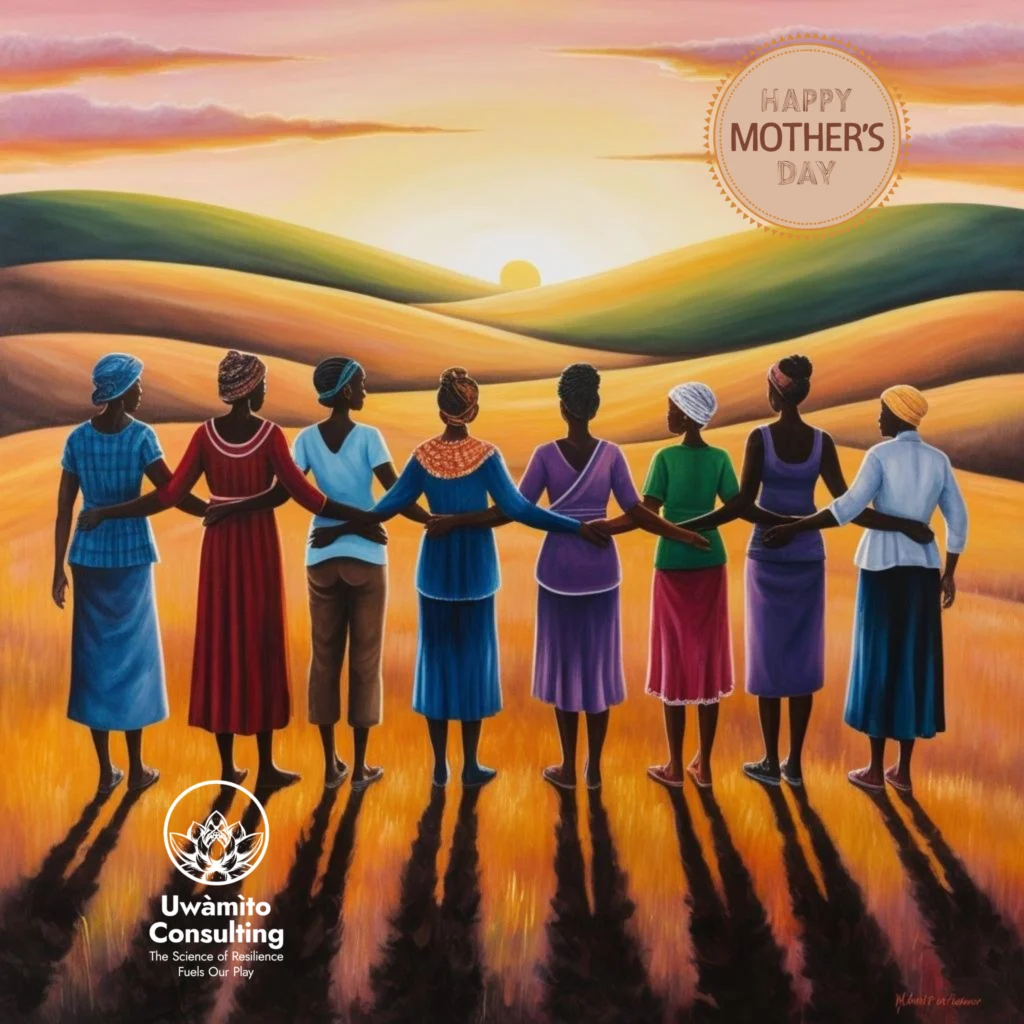
Motherhood transcends biology. Uwàmìto Consulting, pays homage and celebrates all mothers – birth mothers, those who choose to raise children
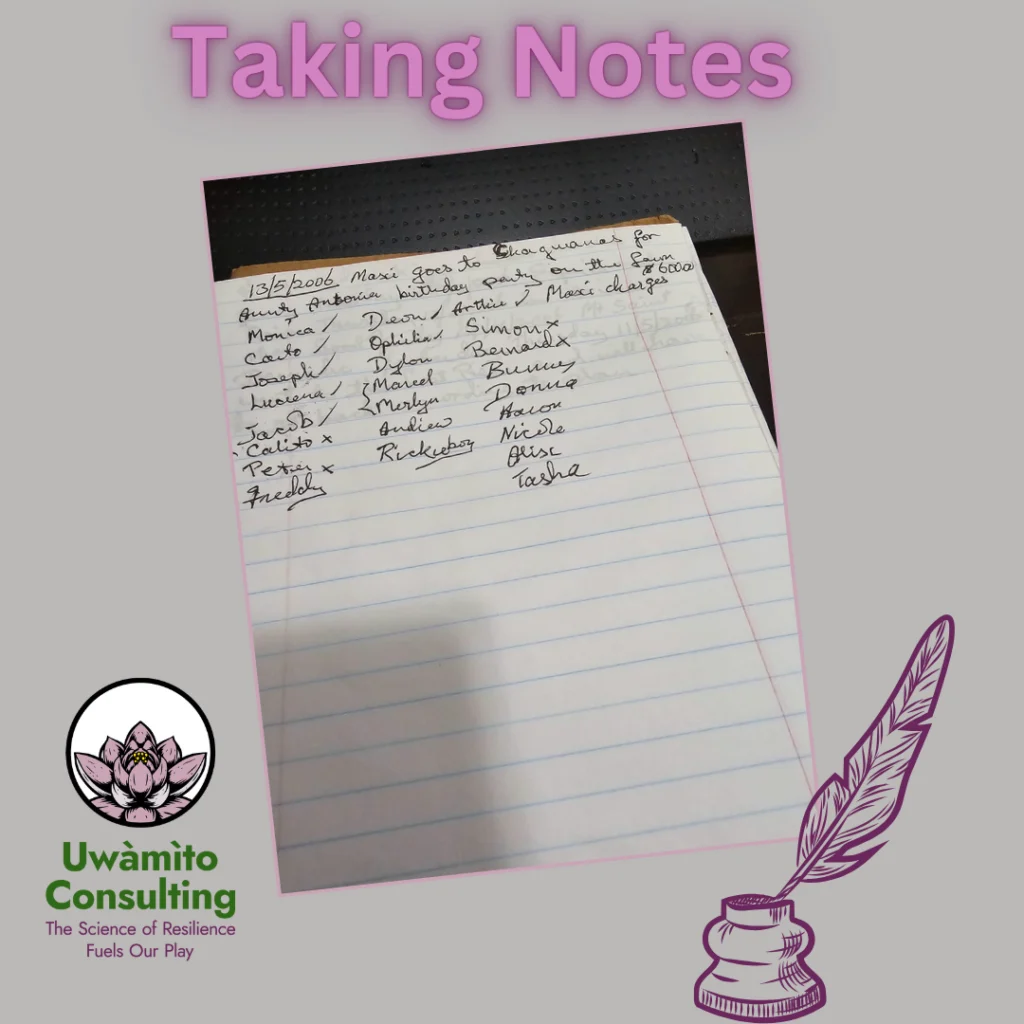
My close friends, family, and colleagues know how much I appreciate stationery and books, books to read, and books to

In the landscape of social development, showcasing the impact of programs is not just a necessity but a powerful tool for growth. Here are three researched-backed and simple methods that can help you effectively collect the data that can assist in articulating your impact.
The first recorded use of the term “word-of-mouth” dates back to 1662 when Samuel Pepys noted in his diary that “I have not been much troubled with my cold this day…only my head stuffed with the word-of-mouth.”

Have a clear strategy for your organization – ensure alignment between what your mandate is and the goals of the

The Example of Edwin. C. Barnes In the book, ‘Think and Grow Rich’ author Napoleon Hill writes about the assistant

Disasters exacerbate poverty and disproportionately harm the poor. We urgently need better international cooperation for developing countries to reduce their disaster risk – and more approaches that use digital solutions to improve risk-informed development, early warning and preparedness – Ronald Jackson – Head of the Disaster Risk Reduction and Recovery for Building Resilience Team (DRT) in UNDP’s Crisis Bureau/Global Policy Network, and is based in Geneva.

“And though she be but little, she is fierce.” – William Shakespeare Girls continue to blaze so many trails, from

“Mental Health care for all: let’s make it a reality” – World Health Organisation